Sustainablity

The positive impact

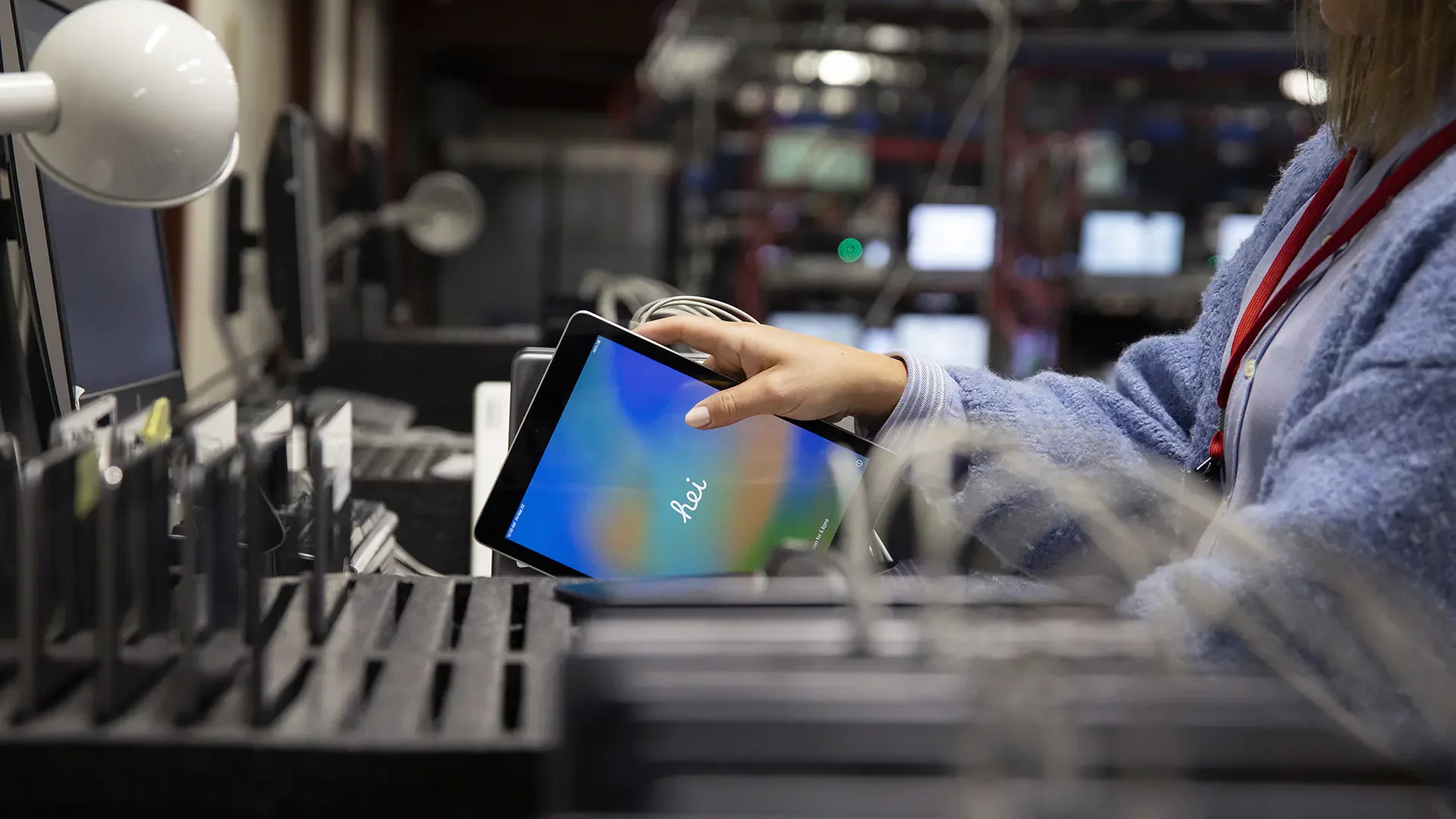
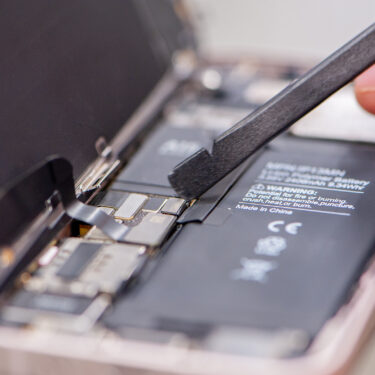
At Foxway, we extend the lifecycle of IT products by prioritizing sustainability and circular economy principles. Through refurbishment, devices can enjoy a second, third, or even fourth life, helping address key challenges in the tech industry.

By refurbishing and reusing devices, we conserve valuable resources, reduce e-waste, and lower the need for new manufacturing. This decreases energy use, raw material extraction, and greenhouse gas emissions.

We also focus on sustainable sourcing, energy-efficient processes, and minimizing waste across our value chain. For devices that cannot be refurbished, we reuse viable components and ensure responsible recycling in line with global sustainability standards.

We aim to provide a clear overview of the areas where our operations and services create the most significant positive impact, while also acknowledging their associated footprint. Our goal is to ensure transparency and help stakeholders understand the sustainability outcomes of our efforts

Waste reduction and recycling practices in a broader perspective

We view all materials and goods involved in our operations as valuable resources. Our commitment is to reuse, repair, and responsibly recycle, aiming to minimize global e-waste and mitigate the environmental and social costs of technology production.


Key Initiatives

In 2024, Foxway refurbished, repaired and resold 2,774,792 devices as well as harvested spare parts for reuse, reducing the need for new production and cutting down e-waste globally. We guide customers toward durable, longevity aligned products to maximize lifetime, re-use capabilities and sustainability.

  • Addressing Informal and global ITAD and E-Waste Sectors: The lack of infrastructure and governance in parts of the Global South poses challenges. In 2024, Foxway audited our ITAB partners and their E-waste practices in Asia, Africa, and Latin America, identifying areas for improvement. When local recycling options fall short, we offer our clients to transport devices back to Europe for proper refurbishment and reuse.
  • End-of-Life Management: We have implemented practices that are targeting our non-functional devices from our operations to be dismantled for spare parts for re-use and sent remaining materials to leading recyclers in the Nordics and EU. This minimizes landfill contributions and emissions during recycling processes.

A Reality-Oriented Perspective on the Global Second-Hand Tech Market

Foxway does not manage, trade, sell, or transport waste. However, the refurbishment industry has long faced criticism based on outdated assumptions that the global trade of refurbished devices contributes to e-waste exports.

In reality, the second-hand market for functional devices plays an important role in reducing inequality, improving connectivity, and supporting inclusion in an increasingly digital world. Access to technology is essential for enabling education, participation, and economic opportunities. Restricting the trade of reliable refurbished devices could therefore risk limiting access to technology in regions with constrained resources.

For many schools, businesses, and individuals, the choice is often between a refurbished device from a trusted brand or a low-cost product with uncertain quality and lifespan. Limiting the global circulation of refurbished devices may therefore worsen environmental outcomes rather than improve them.

At Foxway, we focus on mitigating risks by ensuring quality, promoting responsible practices, and addressing waste from a global and lifecycle perspective. We work to strengthen supply chain practices, reduce reliance on the informal e-waste sector, and support responsible local processes wherever we operate. Through this approach, we aim to contribute to reducing the environmental footprint of tech while supporting more equitable access to digital devices.

Knowledge Sharing and Advocacy for Sustainability in Tech

In 2024, Foxway adopted a bold strategy centered on authentic sustainability and “degrowing” the linear industry—promoting responsible growth by challenging the current linear and flawed circular models in the tech sector. Acknowledging our material impact, we aim to advocate for greater transparency across the value chain while confronting industry myths and mainstream feel-good narratives.

Our Role in Industry Advocacy

At Foxway, we are committed to driving meaningful change across the tech industry through active collaboration and thought leadership:

  • Industry Organizations: We are proud members of key networks such as TechSverige, EUREFAS, Cradlenet (a leading Nordic circular economy hub), and CSR Sweden, where we advocate for sustainability and circular practices.
  • Thought Leadership: We contribute to numerous influential industry reports, sharing expertise and shaping the dialogue on sustainable IT solutions.
  • Event Advocacy: As regular speakers at prominent European events, including IFA, Techarena, and Hållbart Näringsliv, we share actionable insights and strategies to reduce the industry’s environmental footprint.
  • OEM Partnerships: We collaborate with initiatives like Lenovo360 to promote and implement sustainable practices across the supply chain.

We welcome opportunities to share transformative insights as keynote speakers or event contributors, delivering hard truths and actionable strategies for a more sustainable tech industry. Reach out to us at sustainability@foxway.com to learn more.

Reduction of Carbon Emissions & Handprint (Avoidance efforts) in relation to CSRD

Avoidance Impact and Handprint Methodology
At Foxway, we use the handprint approach to highlight the climate benefits of our circular services. We calculate the hypothetical emissions avoided when a customer chooses a refurbished device instead of buying a new one. The general savings account for 95 % comparing emissions of purchasing a new device to a refurbished one. This is because reused devices do not carry legacy production emissions, and the emissions from refurbishment and transport are often deemed negligible in formal accounting.

  • Claimed handprint effect 2023 (in CO2e):
  • Phones: 50471 kg
  • Tablets: 9247 kg
  • Laptops: 168662 kg
  • Desktops: 62349 kg
  • Total avoidance data / handprint effect: 290729 kg

Understanding Avoidance Data

While choosing refurbished devices over new ones undeniably reduces environmental impact, it’s important to differentiate emissions avoidance from emissions reduction, especially in the context of official GHG footprint accounting aligned with EU regulations.

A carbon footprint measures the total environmental impact of a product over its lifecycle, whereas a carbon handprint highlights its positive contributions. However, it’s essential to understand that this avoidance figure cannot be used to reduce customers’ formal carbon footprint in official reports (such as those aligned with CSRD or other international standards). Instead, it serves as a helpful insight for internal and external communications, showcasing the environmental benefits of choosing refurbished devices. Our calculations, conducted by a third party in accordance with ISO standards, ensure transparency, though like all LCAs, they rely on certain assumptions.

In addition, carbon emissions data reported by OEMs also varies widely, with manufacturing emissions for laptops ranging from 120 kg to 400 kg CO2e. These inconsistencies, combined with the absence of comprehensive public databases, make it difficult to assess the true impact of circular activities accurately.

At Foxway, we leverage the Handprint methodology to measure the positive environmental contributions of refurbishing and reusing devices. While this approach is not without its limitations and relies on assumptions, it provides a practical and transparent framework for quantifying contributions to a circular economy.