Sustainablity
The negative footprint
Understanding Foxway’s Environmental Impact
Our mission is to enable sustainable tech for everyone. At the same time, we recognize that the tech industry contributes to global carbon emissions, with most emissions occurring during the manufacturing of new devices.
We believe circular tech is part of the solution. By extending the lifecycle of devices and keeping products in use for longer, emissions can be significantly reduced. Choosing a refurbished computer instead of a new one can, for example, reduce carbon emissions by up to 90 percent.
At Foxway, we consider all aspects of our operations — from sourcing and refurbishing to reselling and recycling IT devices. While circular solutions reduce environmental impact, we acknowledge that activities within our value chain can still contribute to environmental and social challenges.
Transparency is essential for us to understand, track, and reduce these impacts. Below, we outline the most material areas of impact in our operations and value chain, together with an overview of our footprint.
Operational Waste Reduction
The majority of Foxway’s waste originates from packaging materials and chemicals used in operations. Therefore we are focusing on:
- Reusable Packaging: Prioritizing bulk shipments and extending the lifecycle of cardboard materials.
- Waste Reduction Targets: Aiming to reduce operational waste by 30% relative to revenue over the next three years.
Additionally, we are tackling the challenge of waste from customers and trade-in partners. By transforming “waste” into reusable resources and guiding partners on circular practices, we aim to cut this waste stream by at least 50% by 2028.
Unwanted Goods and Scrap Management
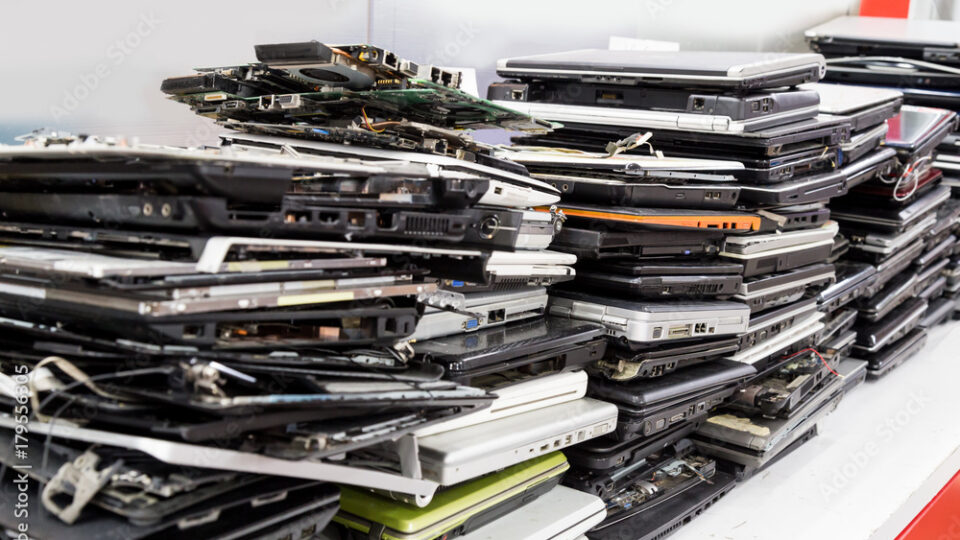
Foxway faces challenges in managing unspecified devices and harvested spare parts, often scrapped due to traceability issues, mismatched demand, or costly handling. Functional components like screens, sensors, and lenses are at risk of being discarded despite their usability.
To combat this:
- We are refining processes to repurpose these materials in global markets.
- We aim to guide, redirect, and utilize unwanted flows of goods to reduce unnecessary scrapping and negative environmental impacts
Packaging Concerns
With nearly 2 million shipments annually, packaging constitutes a significant portion of our waste. By refining tracking systems, adopting reusable solutions, and optimizing logistics, we aim to reduce packaging waste by 30% in the coming years.
Our full waste management strategy and policies are available under the CSRD/Reports section.
Chemicals and the Price of Esthetics in Tech
PFAS and the Threat of Forever Chemicals
PFAS (Per- and Polyfluoroalkyl Substances), often termed “forever chemicals,” pose a growing threat to humanity and the environment. Linked to cancer, DNA damage, and persistent accumulation in ecosystems, PFAS are nearly impossible to remove, mirroring the challenges posed by microplastics. While Foxway does not knowingly use PFAS in its operations, we recognize their prevalence in the tech industry and advocate for a transparent, critical evaluation of all unnecessary chemical usage.
Managing Chemicals in Refurbishment
Chemicals are an unavoidable aspect of repair and refurbishment processes, essential for compliance with regulations, ensuring quality, and extending device lifespans. While chemicals account for only a small share of Foxway’s hazardous waste, their environmental and social implications demand attention. To address this, we are investigating three key areas:
- Eliminating or reducing chemical usage where possible.
- Identifying sustainable alternatives for essential chemicals.
- Challenging the industry’s reliance on “must-have” chemicals like VOCs, questioning their necessity.
The Esthetics Dilemma in Tech
In the race to deliver sleek, visually appealing devices, the tech industry often prioritizes design over sustainability, safety, and ethics. Achieving slim profiles and polished finishes frequently involves harmful chemicals like isocyanates and VOCs (e.g., lead, toluene, and acetone). These substances, while enhancing durability and esthetics, carry significant risks:
- Employee Health: Improper handling can lead to respiratory issues, cancer, and other severe health problems.
. Environmental Impact: Poor disposal contaminates ecosystems and endangers communities.
This pursuit of beauty often comes at a heavy cost—exacerbating resource use, pollution, and risks to human and planetary health.
Refurbished Tech: Striking a Balance
Refurbishing extends the lifecycle of devices, reducing raw material extraction and chemical use. However, refurbishment companies face a pivotal choice:
- Prioritize Esthetics: Use harmful chemicals to achieve “like-new” appearances, maximizing sales and margins.
- Emphasize Functionality: Focus on extending lifespans without compromising safety, even at the expense of visual perfection.
For example, while polishing screens and repainting devices can improve appearance, they involve chemical exposure risks if safety protocols (e.g., PPE, ventilation) are not strictly followed. Similarly, soldering often uses lead-based materials due to cost and ease, despite safer alternatives being available. Companies must balance profitability with employee safety, environmental stewardship, and ethical responsibility.
Carbon Emissions
Our Operations and Production
(Scope 1 & 2)
To operate our business, Foxway relies on energy and fuels to heat facilities and power vehicles. While Scope 1 & 2 emissions represent less than 0.1% of our total carbon footprint, they directly influence the production carbon footprint of refurbished devices, impacting competitiveness.
Energy use and vehicle choices fall under Foxway’s direct control and are clear targets for reduction. Currently, operations in leased facilities in Estonia and Denmark still depend on fossil-based fuels for gas heating, contributing to unwanted non-renewable energy use.
Valued added reseller (VAR)- DaaS and circular services
For most value-added resellers and circular tech providers, carbon footprints are heavily influenced by upstream Scope 3 emissions. Key contributors include:
- Production of Sold Goods: Carbon-intensive processes such as mining in the Global South and manufacturing in South-East Asia, particularly China, where carbon-intensive energy grids dominate.
- Logistics: Global fossil-based shipping and local rapid delivery demands still involve air-based shipping, driven by traditional service level agreements (SLAs). The use of sold goods in our VAR business primarily occurs in the Nordics, benefiting from renewable energy use and resulting in a slightly less carbon-intensive footprint.
Circular business – Refurbishment, Repair, ITAD, Trade-in program
Scope 3 emissions dominate, particularly in the “use of sold goods” category, as 80% of Foxway’s sold goods are second-hand.
While refurbished devices contribute to emissions, especially in markets reliant on carbon-heavy grids like Germany, the UK, and the UAE, Foxway maintains that refurbished products present a significantly better planetary outcome. By extending device lifecycles, we reduce the need for new production, preventing the scrapping of functional devices and mitigating environmental harm on a global scale.
Resource Consumption
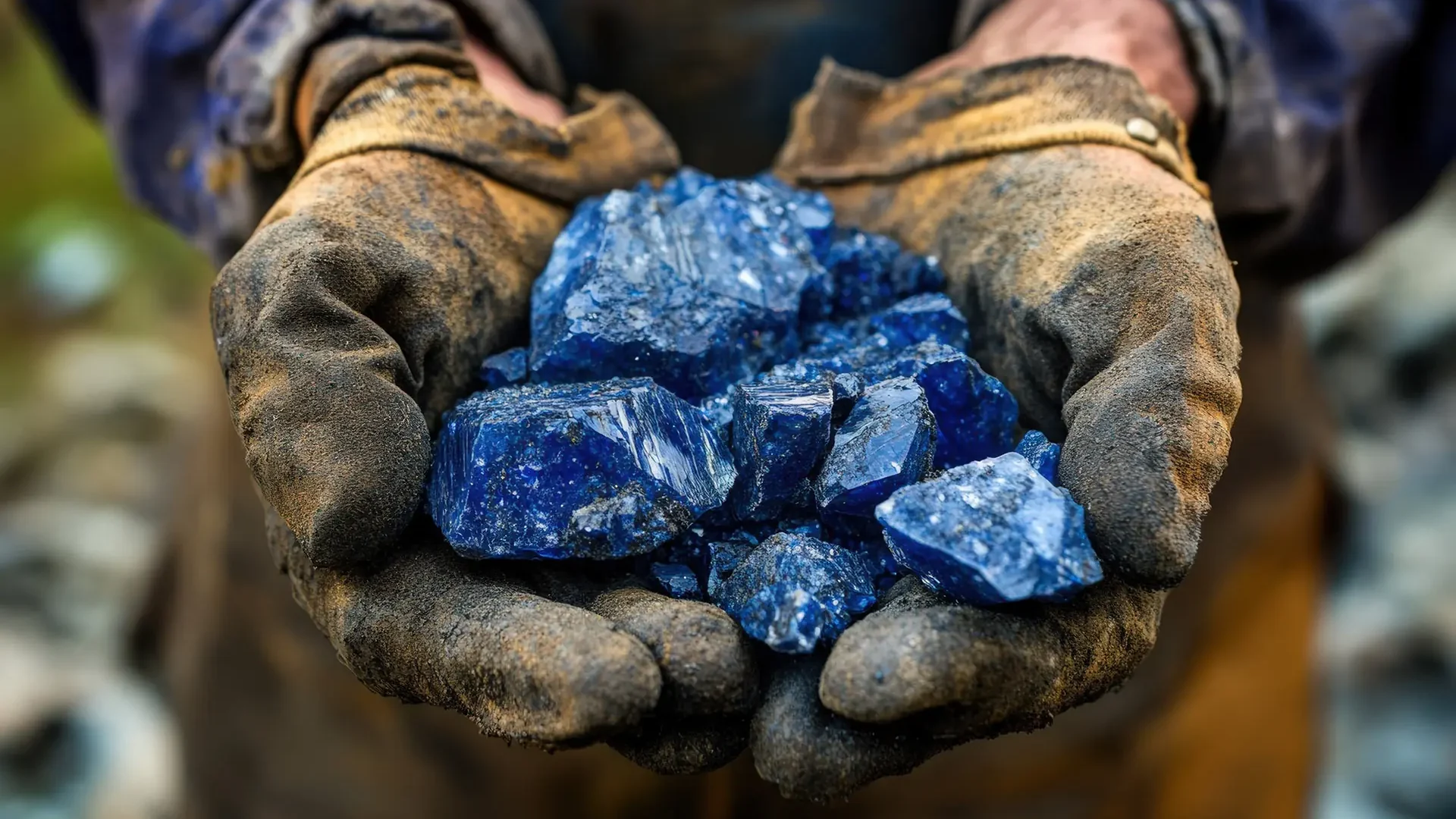
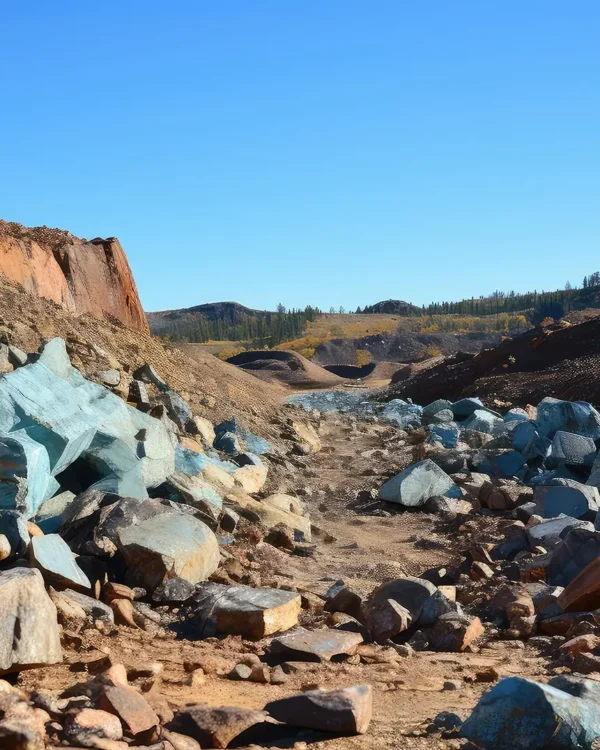
The resource consumption associated with Foxway’s upstream procurement is significant, reflecting the broader impact of the tech industry. A single smartphone, for example, contains around 55 minerals, many of which are difficult to mine and refine. Mining these minerals requires vast amounts of water and energy, often relying on resource-intensive energy systems, further amplifying environmental strain.
The production, repair, and refurbishment of devices inherently depend on these finite and rapidly depleting resources, exacerbating the challenges of sustainable resource management. While our degrowth-aligned business model prioritizes repair and circularity, we remain partially reliant on spare and upgrade parts sourced from the same value chain as new devices.
Verifying consistent data on the value chain’s resource use remains challenging. However, Foxway is committed to improving transparency and providing best-effort data on metrics like ore and water usage in the near future.
Packaging and Transport
Packaging
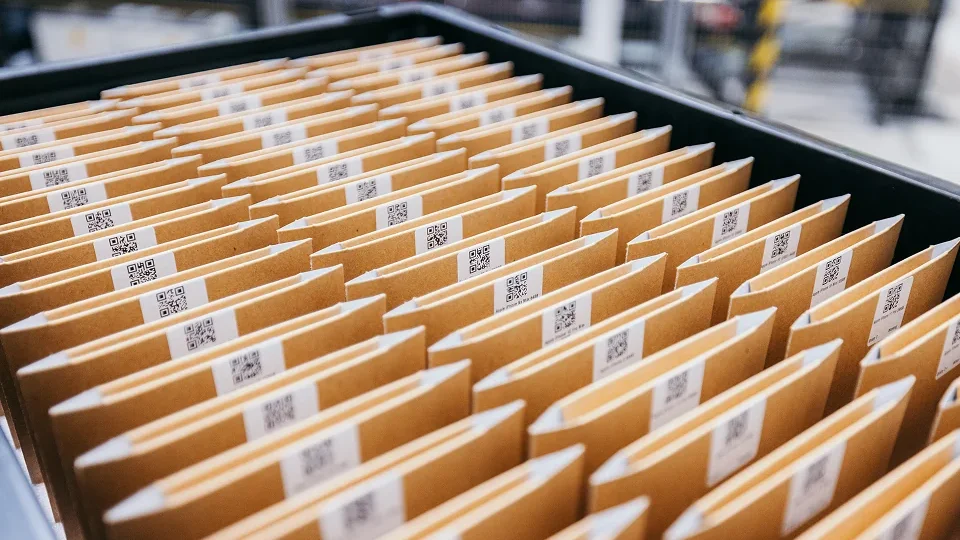
Foxway processes over one million shipments annually, relying on various packaging solutions, including cardboard, plastic wraps, pallets, and fillers. While necessary for protection, these materials pose significant environmental challenges:
Cardboard: Though often recyclable and sustainably sourced or from recycled resources, paper production drives deforestation, habitat loss, and reduced biodiversity, impacting carbon sequestration and accelerating climate change.
Plastic Wraps: Derived from fossil fuels, plastics have high carbon footprints and persist in ecosystems, breaking down into harmful microplastics if not recycled. Despite recycling efforts, processing inefficiencies and downgrading are still difficult to overcome.
Over-Packaging: Protective fillers, excessive padding, and single-use materials add to waste streams, exacerbating environmental impacts
The Impact of Unboxing Culture
Modern unboxing culture prioritizes aesthetics over necessity, leading to excessive and wasteful packaging. Key concerns include:
- Overuse of single-use and multi-material packaging, complicating recycling processes.
- Increased resource consumption and waste production.
- Reinforced consumerism by promoting impulse buying and shorter product lifecycles, undermining sustainability efforts.
Transports
Foxway operates in a global logistics network, shipping to over 130 countries and importing from key vendors. The transport of raw materials, primarily from mining regions to manufacturing hubs in Asia, and the subsequent distribution to Europe, is heavily reliant on fossil fuels, contributing to:
- Greenhouse Gas Emissions: Shipping, trucking, and air transport drive significant CO₂ emissions.
- Local Pollution: Port cities and logistics hubs face air pollution and health risks due to transport activities.
- Ecosystem Disruption: Risks include invasive species from ships and biodiversity loss.
Challenges with Fast Delivery
Consumer demand for rapid delivery accelerates reliance on carbon-intensive air transport, which emits 3 to 8 times more CO₂ than road transport. For instance, shipments from Estonia to countries like Germany, France, or Spain could use road transport if delivery timeframes extended from 1-2 days to 3-4 days, reducing emissions significantly.
However, current sales channels and logistics models often fail to provide sustainable options, forcing reliance on air freight. This undermines sustainability goals, especially when refurbishing efforts are offset by the carbon footprint of fast delivery logistics.
The Path Forward
Foxway is committed to reevaluating packaging and transport strategies, balancing consumer expectations with sustainability goals. By advocating for reasonable delivery timelines, adopting reusable packaging, and prioritizing road transport where feasible, we aim to reduce emissions and align operations with a circular economy vision.